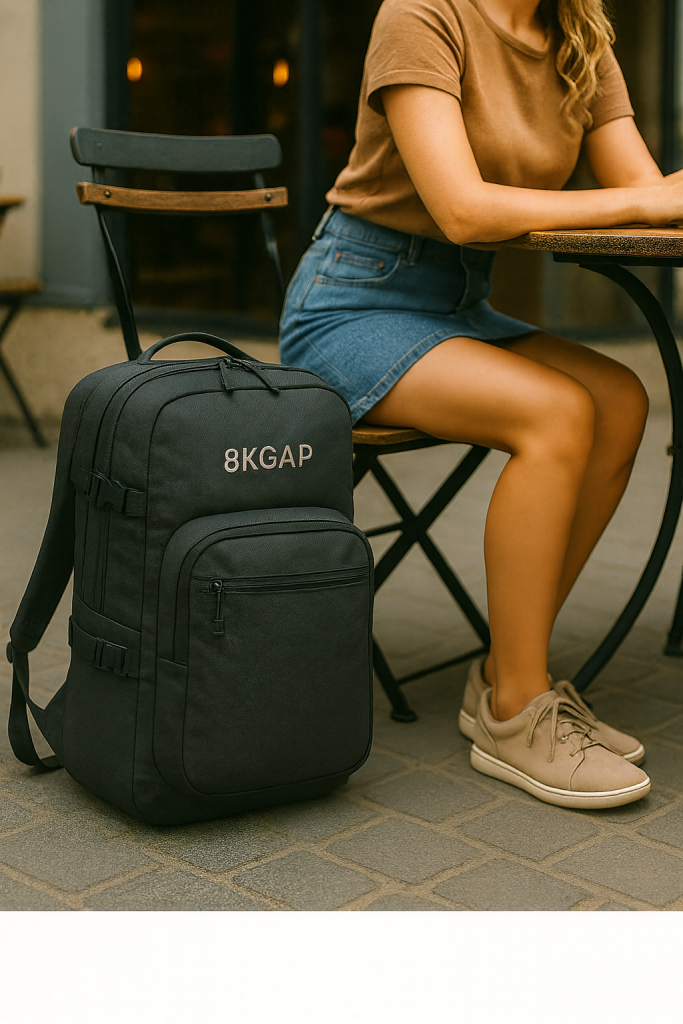
Your gap year backpack is more than just a bag. For a gap year, it becomes your home, your closet, and your survival kit. Get this choice right, and everything else about your trip becomes easier. Get it wrong, and you will curse yourself at every bus stop, hostel stairwell, and airport check-in.
I have tried the wrong ones, carried too much, and learned the hard way what does not work. I have also spent hours in hostel common rooms talking with more than a hundred travelers, and nothing sparks stronger opinions than backpacks. The good news is that there are clear principles that separate the winners from the mistakes.
Travel Packs vs. Backpacks
At first glance, travel packs look appealing. They often combine the shape of a suitcase with the straps of a backpack. The problem is that they are full of compromises. Straps are often thin, harness systems weak, and compartments overly complicated.
A classic backpack is almost always better for long-term travel. Designed for movement, it gives you proper weight distribution, durability, and flexibility. Look for padded shoulder straps, a sternum strap, and a hip belt that shifts weight to your hips from your shoulders. This is not optional. It is the difference between carrying your gear comfortably and suffering under it.
The 30–40L Sweet Spot
Here is the hard truth: you will fill whatever size pack you buy. A large gap year backpack invites clutter and a dozen “just in case” items you never actually use. A 30–40 liter backpack, small enough to qualify as carry-on, forces you to prioritize. That is the whole point.
Most international airlines allow carry-ons in the 30–40 liter range. This is enough for essentials and small enough to pass through without drawing attention. Smaller packs are also easier to handle, harder to overstuff, and less likely to get flagged for weight.
Aim for a pack that weighs less than 1.5 kilograms when empty. Every gram the pack itself consumes is weight you cannot use for actual gear.
Frame or No Frame
Backpacks come in three styles: external frame, internal frame, and frameless. External frames are great if you are carrying elk meat out of the Rockies but absurd for a gap year. These frames add weight and use space that can be better used for your travel gear. Internal frames are slightly more compact but still add weight and use space.
For travel, a frameless gap year backpack or a very light internal frame is usually best. Since you will be carrying less than 8 kilograms, you do not need an alpine-level suspension system. A decent hip belt and padded straps are enough. Anything more is wasted weight.
Construction Materials, Zips, and Stitching
Backpacks take a beating on the road. They are dragged across cobblestones, tossed into buses, and rained on in markets. That is why the materials and build quality matter as much as the size and fit.
Start with the fabric. Modern nylon is both tough and abrasion-resistant, making it the best choice for long-term travel. Canvas is too heavy, and cheap polyester will wear out quickly, especially under constant use. Pay attention to the denier rating, which measures fabric thickness. For travel backpacks, a range of 420 to 630 denier nylon offers the right balance of toughness and weight.
Zippers are the most common failure point, so they need to be sturdy. Look for well-built tooth or coil zips with reliable sliders that will not jam or split under pressure. Finally, check the stitching. Strong seams and reinforced stress points are essential. Loose threads or weak bar-tacks are red flags that the bag will not survive the demands of a year on the road.
Color and Profile
Your gap year backpack is also part of your disguise. Bright neon and Hello Kitty print bags scream tourist. Military-style gear can raise questions at checkpoints. Stick to darker or neutral colors that blend in. Navy, slate, or muted earth tones hide dirt and help you look like you belong.
Mistakes to Avoid
The most common mistake is buying too large a pack “just in case.” A bigger bag will not give you more freedom; it will only encourage you to carry things you do not need. Another trap is choosing style over function. A sleek design or flashy color might look good on the shelf but will not matter when you are hauling it up a hostel staircase at 3:00 a.m.
Do not ignore the empty weight of the bag. A heavy pack right out of the box steals precious kilograms from your limit before you have packed a single shirt. And never rely on external straps for valuables or essentials. Items clipped to the outside are magnets for theft, and they are the first things to get lost when you are on the move.
The Bottom Line
Choosing a gap year backpack is the most important gear decision of your trip. Get it right, and eight kilograms feels like freedom. Get it wrong, and you will carry the regret on your shoulders.
Keep it small, keep it simple, and keep it under eight kilograms. Your back, your budget, and your sanity will thank you.